- CAS number
- 139504-68-0
- IFRA Standard status
- Concentration restricted
- Products
- 7
Last updated · 25-05-2026Record completeness90%
The information here describes the ingredient in general. Its possible sources may vary and do not necessarily show the origin or form used in a particular YUMA product. For product-specific information, check the relevant product page.
Description
1-(2-tert.-Butyl cyclohexyloxy)-2-butanol delivers a rich and velvety scent with an amber base note that many perfumers describe as soft and delicate. This ingredient is laboratory-created rather than of natural origin. Notably, the fragrance industry increasingly turns to renewable raw materials for its production, thereby contributing to the conservation of the planet's natural resources.
Additional information
Base notes such as that of 1-(2-tert.-Butyl cyclohexyloxy)-2-butanol are responsible for the longevity of the fragrance on the skin. While top notes evaporate within minutes, base notes can linger for 6 to 8 hours or even longer.
The shift toward laboratory-made ingredients in the fragrance industry is not merely a matter of cost. It contributes significantly to the protection of rare plants and animals that were traditionally used for fragrance production.
Amber notes in perfumery historically originated from ambergris, a rare substance produced in the digestive system of sperm whales. Today, synthetic ingredients like 1-(2-tert.-Butyl cyclohexyloxy)-2-butanol offer similar scent properties without affecting marine life.
CAS number
139504-68-0
Other names
2-Butanol, 1-[[2-(1,1-dimethylethyl)cyclohexyl]oxy]-1-(2-tert-butylcyclohexyl)oxybutan-2-olAmberCore2-t-butylcyclohexyloxybutanol2-t-Butylcyclohexyloxy-2-butanol2-tert-butylcyclohexyloxybutanol2-Butanol, 1-((2-(1,1-dimethylethyl)cyclohexyl)oxy)-
Linked YUMA products
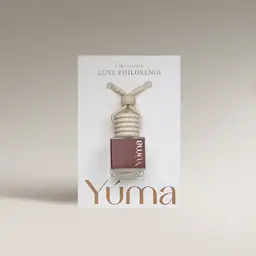
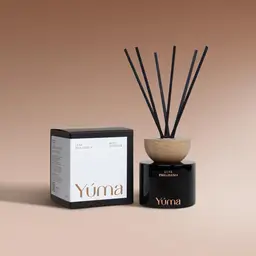
IFRA Standard status
The IFRA Standards form an industry self-regulatory system. They may prohibit or restrict the use of particular fragrance ingredients, or set specifications, according to end use. The status below reflects the IFRA data recorded for this ingredient. It is not a product certification and does not replace applicable law or assessment of the finished product.
Concentration restricted (R)
Related IFRA documentIFRA restrictions by category
IFRA categories group end uses by the type and level of exposure. A restriction or maximum concentration applies only to the stated category and does not automatically apply to another use. Check the related IFRA document for the applicable Standard version and its full conditions.
- 1. Lip products and children's toysMax concentration0.24%
- 2. Deodorants and antiperspirantsMax concentration0.071%
- 3. Face cosmetics and masksMax concentration1.4%
Regulatory information
The safety of 1-(2-tert.-Butyl cyclohexyloxy)-2-butanol has been evaluated by the Research Institute for Fragrance Materials (RIFM), and a relevant scientific study has been published. This ingredient may cause skin sensitization in a small percentage of individuals. This means that repeated contact can trigger temporary reactions such as redness, rashes, or itching. The International Fragrance Association (IFRA) has established safe-use standards for this ingredient in personal care and household products. Although the possibility of sensitization exists, most people are not affected. Every skin type is different, so consult a healthcare professional if you have any questions.