Geraniol
- CAS number
- 106-24-1
- IFRA Standard status
- Concentration restricted
- Products
- 61
The information here describes the ingredient in general. Its possible sources may vary and do not necessarily show the origin or form used in a particular YUMA product. For product-specific information, check the relevant product page.
Description
Reported natural sources
Additional information
- Bees use geraniol to communicate with each other, marking flowers with nectar and their hive entrances.
- For many plants, geraniol acts as a natural defense against insects, while for us it provides an enjoyable scent.
- Recognizable floral notes of geraniol hide in the aroma of fine wines, such as Gewürztraminer and Muscat.
CAS number
Other names
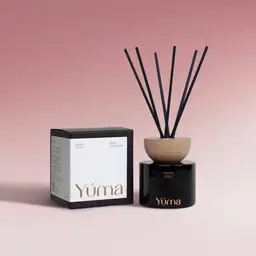
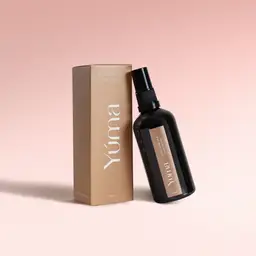
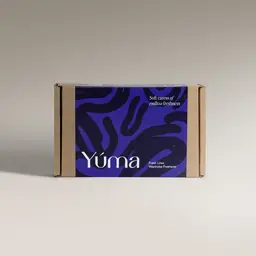
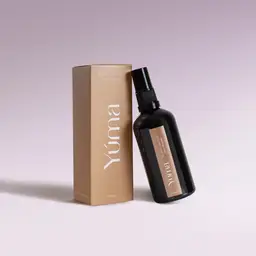
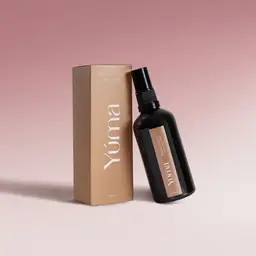
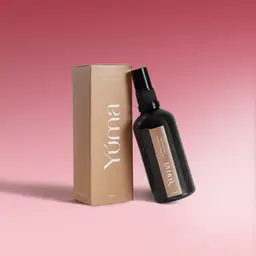
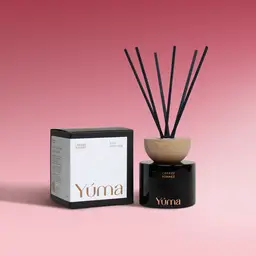
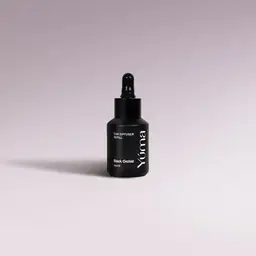
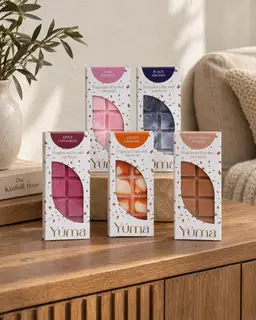
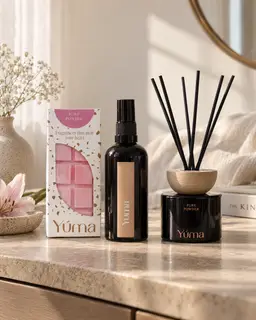
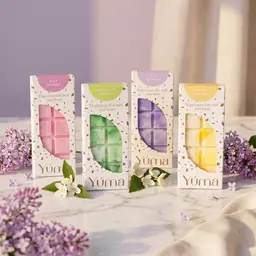
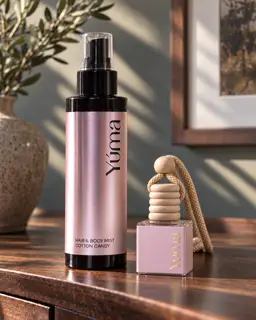
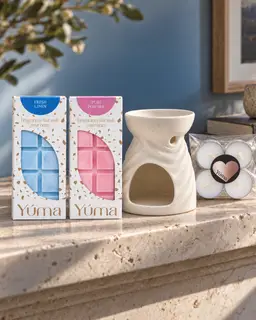
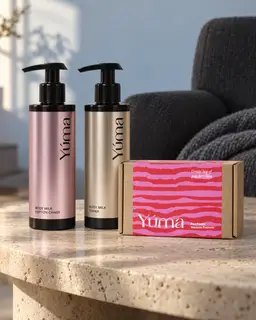
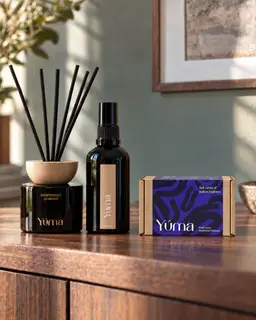
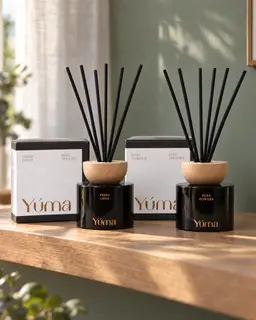
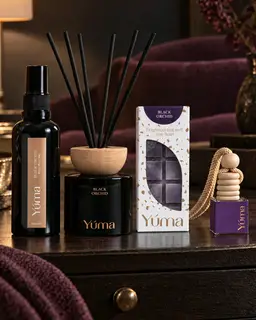
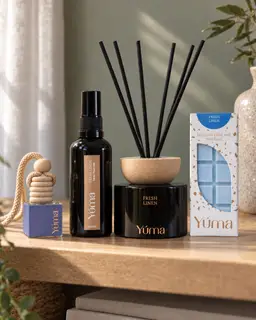
Linked YUMA products
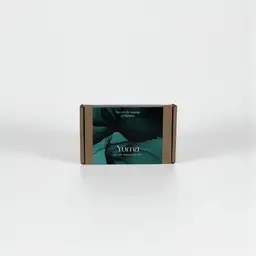
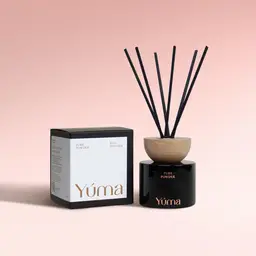
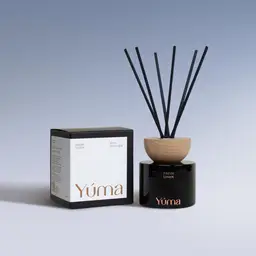
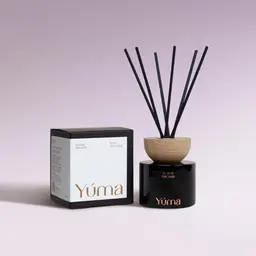
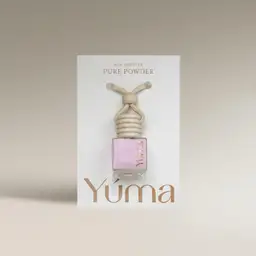
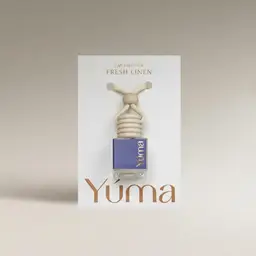
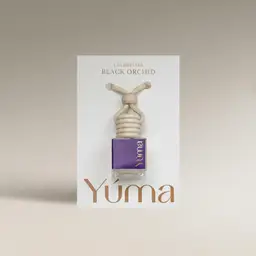
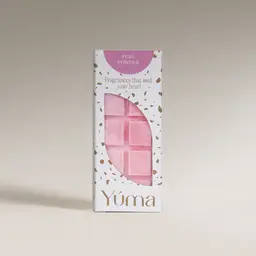
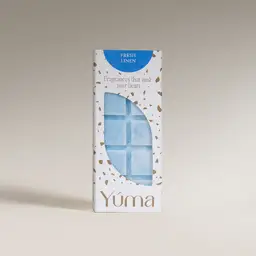
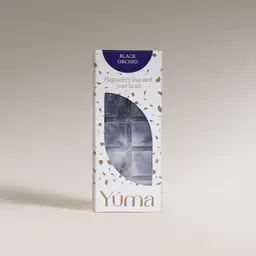
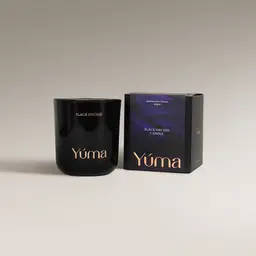
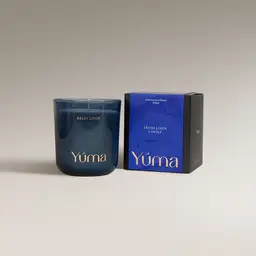


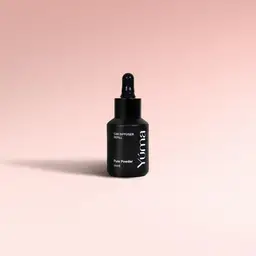
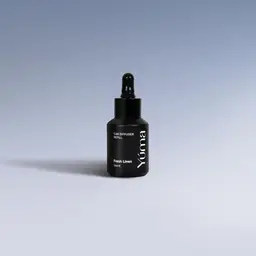
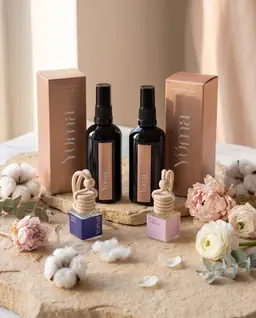






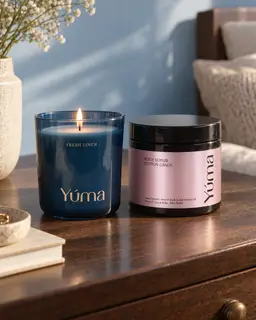
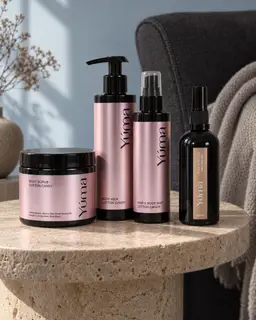

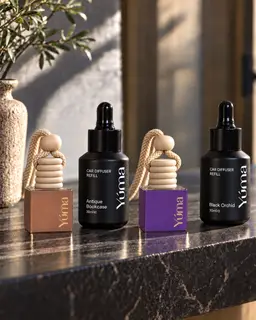
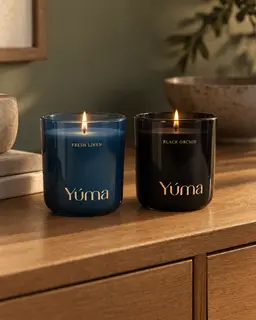







IFRA Standard status
The IFRA Standards form an industry self-regulatory system. They may prohibit or restrict the use of particular fragrance ingredients, or set specifications, according to end use. The status below reflects the IFRA data recorded for this ingredient. It is not a product certification and does not replace applicable law or assessment of the finished product.
IFRA restrictions by category
IFRA categories group end uses by the type and level of exposure. A restriction or maximum concentration applies only to the stated category and does not automatically apply to another use. Check the related IFRA document for the applicable Standard version and its full conditions.
- 1. Lip products and children's toysMax concentration0.78%
- 2. Deodorants and antiperspirantsMax concentration0.25%
- 3. Face cosmetics and masksMax concentration1.1%
- 4. Perfumes and fragranced productsMax concentration4.7%
- 5A. Body lotions and powdersMax concentration1.2%
- 5B. Face moisturizers and tonersMax concentration0.78%
- 5C. Hand creams and sanitizersMax concentration0.94%
- 5D. Baby care productsMax concentration0.26%
- 6. Oral care productsMax concentration0.16%
- 7A. Rinse-off hair treatmentsMax concentration0.78%
- 7B. Leave-on hair productsMax concentration0.78%
- 8. Intimate care productsMax concentration0.26%
- 9. Rinse-off body productsMax concentration2.8%
- 10A. Home care (non-aerosol)Max concentration1.1%
- 10B. Household aerosols and spraysMax concentration5.3%
- 11A. Products with minimal skin contact (no UV exposure)Max concentration0.26%
- 11B. Products with minimal skin contact (UV exposure)Max concentration0.26%
- 12. Products with no direct skin contactMax concentration–
| Category | Max concentration |
|---|---|
| 1. Lip products and children's toys | 0.78% |
| 2. Deodorants and antiperspirants | 0.25% |
| 3. Face cosmetics and masks | 1.1% |
| 4. Perfumes and fragranced products | 4.7% |
| 5A. Body lotions and powders | 1.2% |
| 5B. Face moisturizers and toners | 0.78% |
| 5C. Hand creams and sanitizers | 0.94% |
| 5D. Baby care products | 0.26% |
| 6. Oral care products | 0.16% |
| 7A. Rinse-off hair treatments | 0.78% |
| 7B. Leave-on hair products | 0.78% |
| 8. Intimate care products | 0.26% |
| 9. Rinse-off body products | 2.8% |
| 10A. Home care (non-aerosol) | 1.1% |
| 10B. Household aerosols and sprays | 5.3% |
| 11A. Products with minimal skin contact (no UV exposure) | 0.26% |
| 11B. Products with minimal skin contact (UV exposure) | 0.26% |
| 12. Products with no direct skin contact | – |