- CAS number
- 151-05-3
- IFRA Standard status
- Not recorded
- Products
- 22
Last updated · 25-05-2026Record completeness75%
The information here describes the ingredient in general. Its possible sources may vary and do not necessarily show the origin or form used in a particular YUMA product. For product-specific information, check the relevant product page.
Description
Dimethylbenzyl carbinyl acetate is characterized by a strong rose scent reminiscent of a blooming garden. This ingredient is often paired with other floral notes to build an olfactory bouquet, while also adding fruity notes that enrich the overall scent profile. It is produced in a laboratory using various synthesis methods. In recent years, perfumers have increasingly used renewable raw materials for its production, helping preserve the planet's natural resources.
Additional information
Producing 1 kilogram of natural rose oil requires about 4,000 kilograms of rose petals, whereas dimethylbenzyl carbinyl acetate offers similar aromatic properties with a significantly smaller environmental footprint.
Perfumers often call dimethylbenzyl carbinyl acetate a scent bridge because it can connect different fragrance notes, creating smooth transitions between the floral and fruity elements in a perfume.
The use of synthetic floral notes like dimethylbenzyl carbinyl acetate radically changed the fragrance industry in the mid-20th century, allowing for the creation of consistent and accessible fragrances that do not depend on the seasonal fluctuations of natural raw materials.
CAS number
151-05-3
Other names
(2-methyl-1-phenylpropan-2-yl) acetatealpha,alpha-Dimethylphenethyl acetate2-Benzyl-2-propyl acetate(2-methyl-1-phenylpropan-2-yl) ethanoate1,1-Dimethyl-2-phenylethyl acetateBenzeneethanol, .α.,.α.-dimethyl-, acetateDMBCADMBC ethanoateDimethylbenzylcarbinyl acetateDimethylbenzylcarbinyl ethanoate
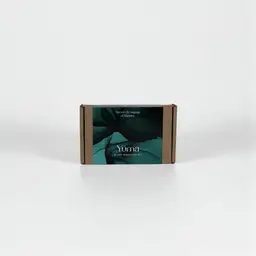
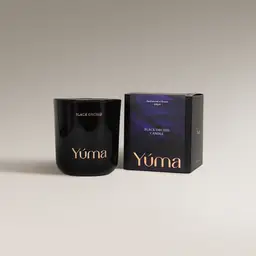
Linked YUMA products

IFRA Standard status
The IFRA Standards form an industry self-regulatory system. They may prohibit or restrict the use of particular fragrance ingredients, or set specifications, according to end use. The status below reflects the IFRA data recorded for this ingredient. It is not a product certification and does not replace applicable law or assessment of the finished product.
Not recorded
Regulatory information
The Research Institute for Fragrance Materials (RIFM) recently completed an extensive evaluation of dimethylbenzyl carbinyl acetate and awaits review by the Expert Panel for Fragrance Safety and publication in peer-reviewed journals. Various regulatory bodies worldwide have conducted safety assessments for this ingredient. In most European countries, it must be listed on the labels of detergents, cleaners, and cosmetic products to inform consumers who may experience an allergic reaction. In California, disclosure is required on the product website for detergents and cleaners.