Triplal
- CAS number
- 68039-49-6
- IFRA Standard status
- Concentration restricted
- Products
- 22
The information here describes the ingredient in general. Its possible sources may vary and do not necessarily show the origin or form used in a particular YUMA product. For product-specific information, check the relevant product page.
Description
Additional information
- Lab-created fragrances can be more sustainable than certain natural extracts, as their production often requires fewer natural resources and less energy.
- Synthetic fragrance ingredients often require fewer raw materials to produce compared with natural extracts, where tons of plant matter may be needed to yield small quantities of aromatic oil.
- Modern fragrance creation is a delicate balance between art and sustainability, with perfumers acting as both scientists and artists by blending chemical knowledge with aesthetic perception.
CAS number
Other names
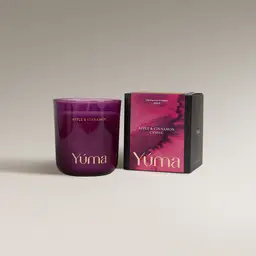
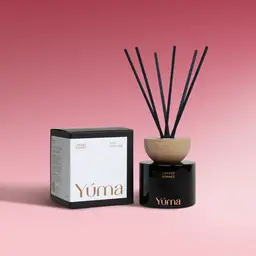
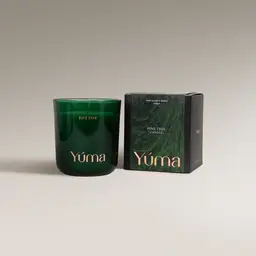
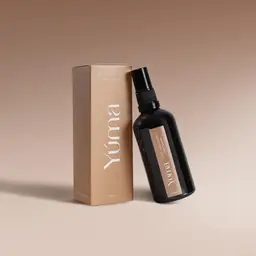
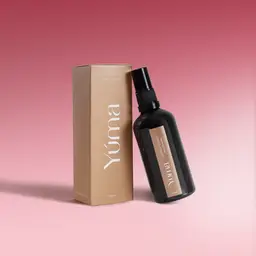
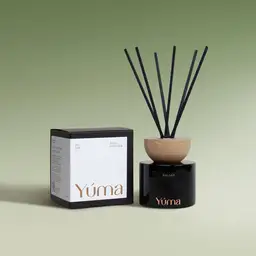
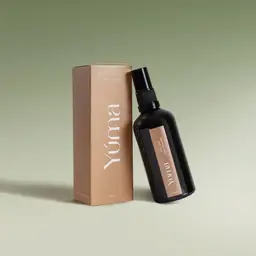
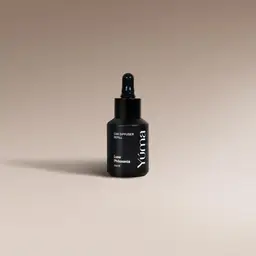
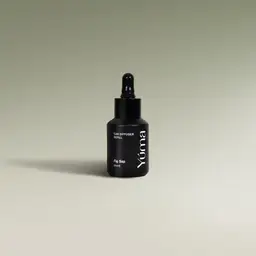
Linked YUMA products
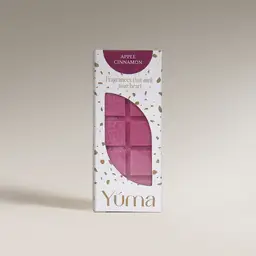
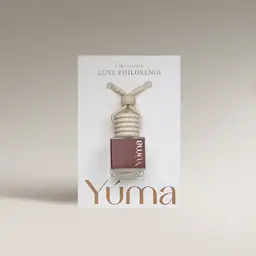
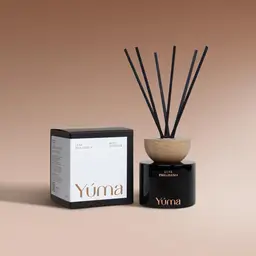
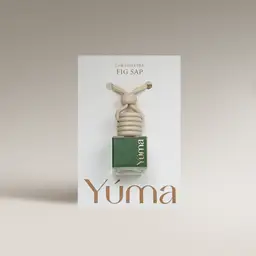
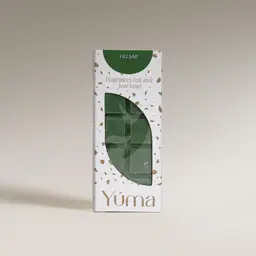
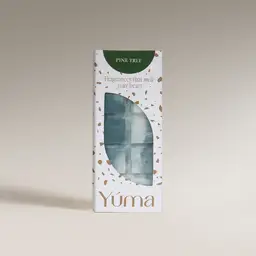
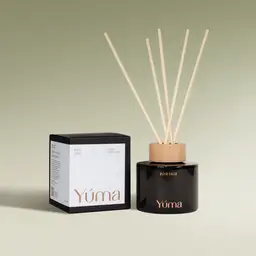
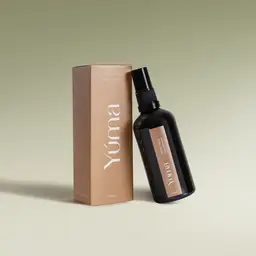

IFRA Standard status
The IFRA Standards form an industry self-regulatory system. They may prohibit or restrict the use of particular fragrance ingredients, or set specifications, according to end use. The status below reflects the IFRA data recorded for this ingredient. It is not a product certification and does not replace applicable law or assessment of the finished product.
IFRA restrictions by category
IFRA categories group end uses by the type and level of exposure. A restriction or maximum concentration applies only to the stated category and does not automatically apply to another use. Check the related IFRA document for the applicable Standard version and its full conditions.
- 1. Lip products and children's toysMax concentration0.45%
- 2. Deodorants and antiperspirantsMax concentration0.14%
- 3. Face cosmetics and masksMax concentration2.7%
- 4. Perfumes and fragranced productsMax concentration2.5%
- 5A. Body lotions and powdersMax concentration0.64%
- 5B. Face moisturizers and tonersMax concentration0.64%
- 5C. Hand creams and sanitizersMax concentration0.64%
- 5D. Baby care productsMax concentration0.64%
- 6. Oral care productsMax concentration1.5%
- 7A. Rinse-off hair treatmentsMax concentration5.2%
- 7B. Leave-on hair productsMax concentration5.2%
- 8. Intimate care productsMax concentration0.27%
- 9. Rinse-off body productsMax concentration4.9%
- 10A. Home care (non-aerosol)Max concentration18%
- 10B. Household aerosols and spraysMax concentration18%
- 11A. Products with minimal skin contact (no UV exposure)Max concentration9.8%
- 11B. Products with minimal skin contact (UV exposure)Max concentration9.8%
- 12. Products with no direct skin contactMax concentration–
| Category | Max concentration |
|---|---|
| 1. Lip products and children's toys | 0.45% |
| 2. Deodorants and antiperspirants | 0.14% |
| 3. Face cosmetics and masks | 2.7% |
| 4. Perfumes and fragranced products | 2.5% |
| 5A. Body lotions and powders | 0.64% |
| 5B. Face moisturizers and toners | 0.64% |
| 5C. Hand creams and sanitizers | 0.64% |
| 5D. Baby care products | 0.64% |
| 6. Oral care products | 1.5% |
| 7A. Rinse-off hair treatments | 5.2% |
| 7B. Leave-on hair products | 5.2% |
| 8. Intimate care products | 0.27% |
| 9. Rinse-off body products | 4.9% |
| 10A. Home care (non-aerosol) | 18% |
| 10B. Household aerosols and sprays | 18% |
| 11A. Products with minimal skin contact (no UV exposure) | 9.8% |
| 11B. Products with minimal skin contact (UV exposure) | 9.8% |
| 12. Products with no direct skin contact | – |